

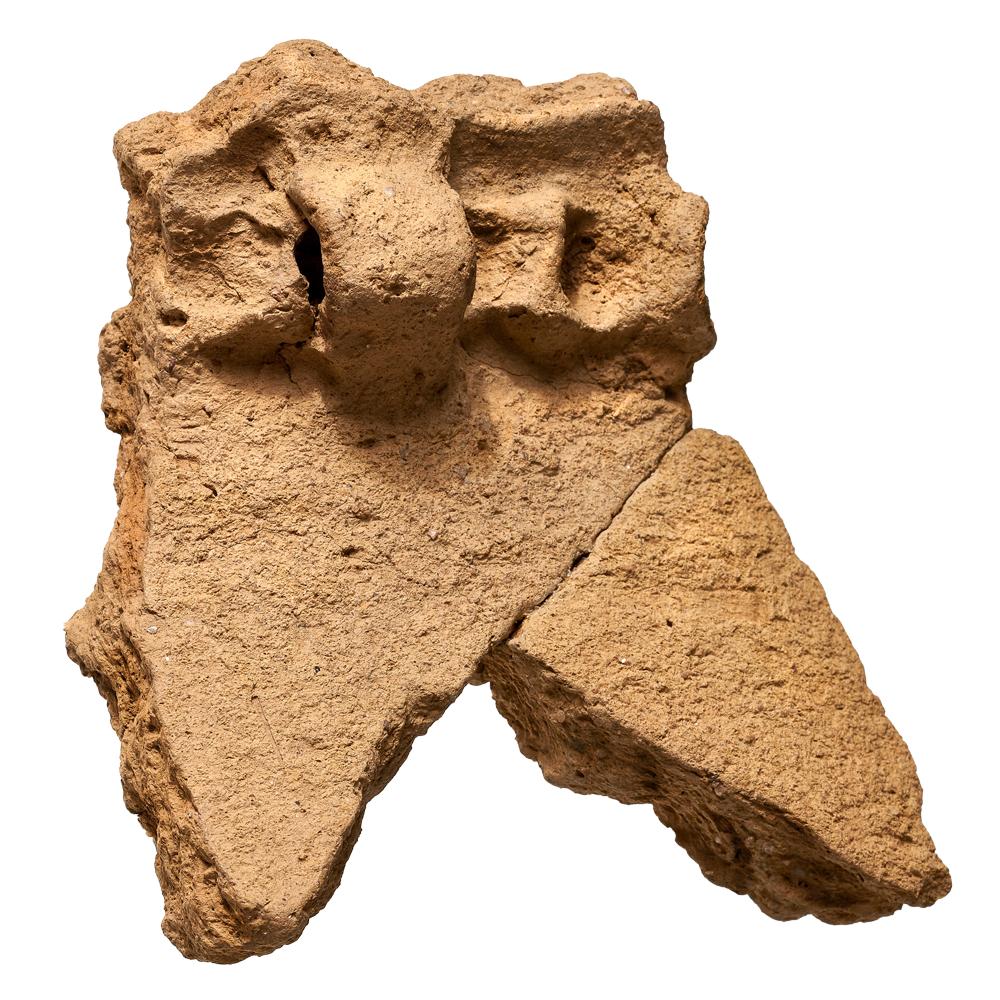
A find of shards from Bronze Age provide evidence of the earliest human activities on Königstein.
around 1000 BC
The Königstein in the Middle Ages
1233
In a document of King Wenzel I from Bohemia a “Burgrave Gebhard vom Stein” is mentioned – probably the oldest written mention of a castle on Königstein mountain. The area belonged to the Bohemian Kingdom at that time.
1241
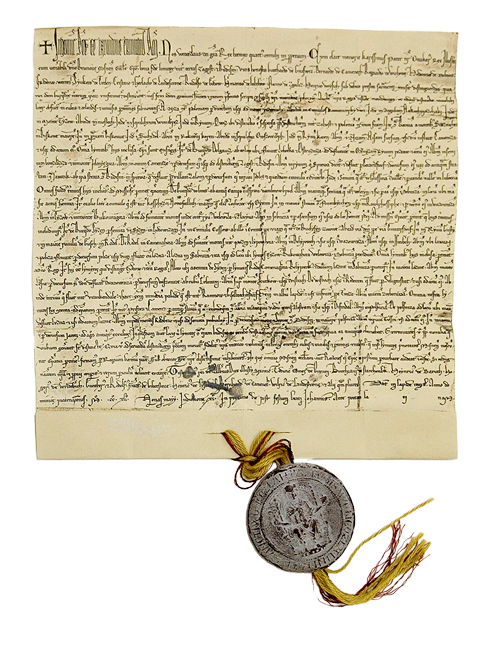
The first mention of the Königstein in a document. King Wenceslas I of Bohemia affixes his seal to the Upper Lausitz Border Decree "in lapide regis" ("on the stone of the King").
1359
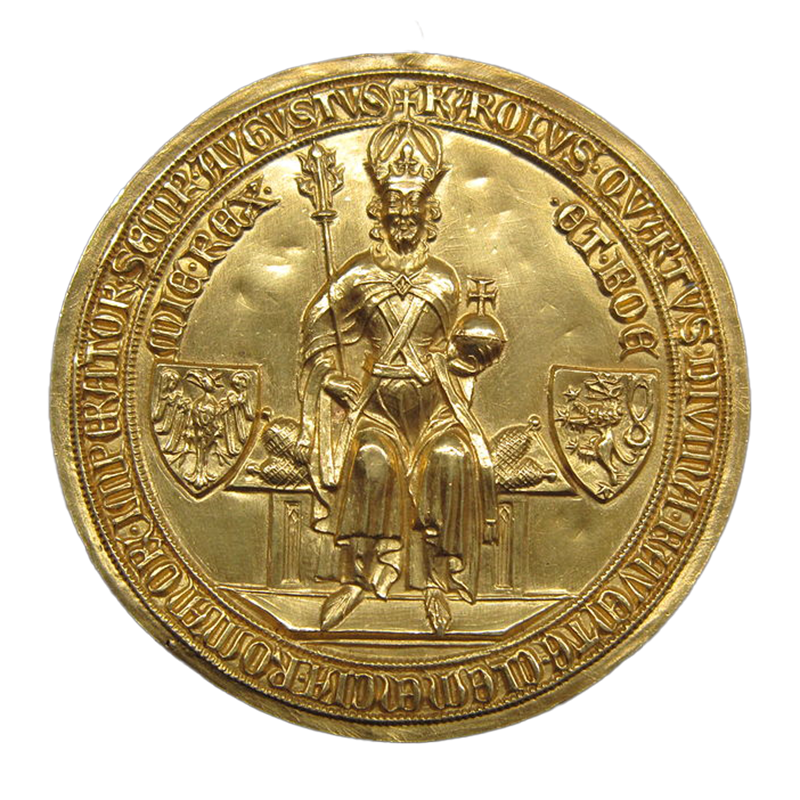
Emperor Charles IV stays at Königstein Castle, which is henceforth called the "Kaiserburg" [Emperor's Castle].
1406/ 1409

The castle falls into the hands of the Wettin noble family in a feud (a military conflict of local lords).
1459
With the Treaty of Eger, Königstein permanently becomes part of Saxony.
1516
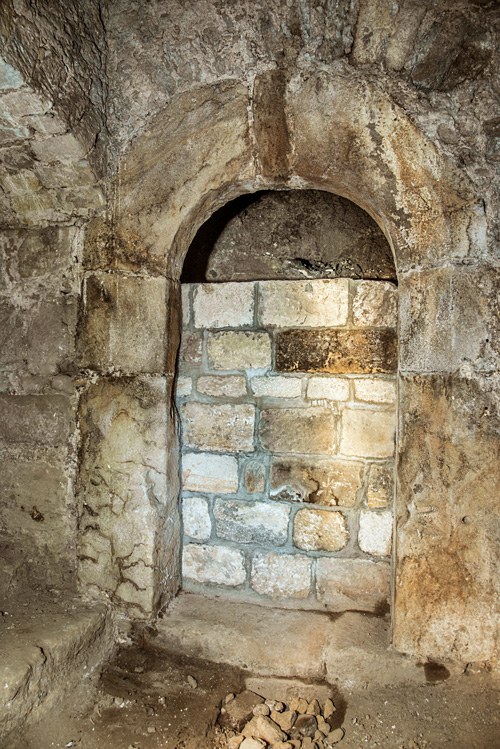
Twelve Coelestin monks and one prior occupy the "Monastery for the Praise of Marys Miracles" established by Duke George the Bearded on Königstein. The monastery was dissolved in 1542.
The expansion into a fortress
1563

Elector Augustus of Saxony (1526-1586) was considering turning Königstein into a fortress. The most important precondition for this is a an independent source of water. For this reason, the second deepest historical well in Germany (152.5 metres) is sunk under the direction of Martin Planer, a master miner from Freiberg.
1588
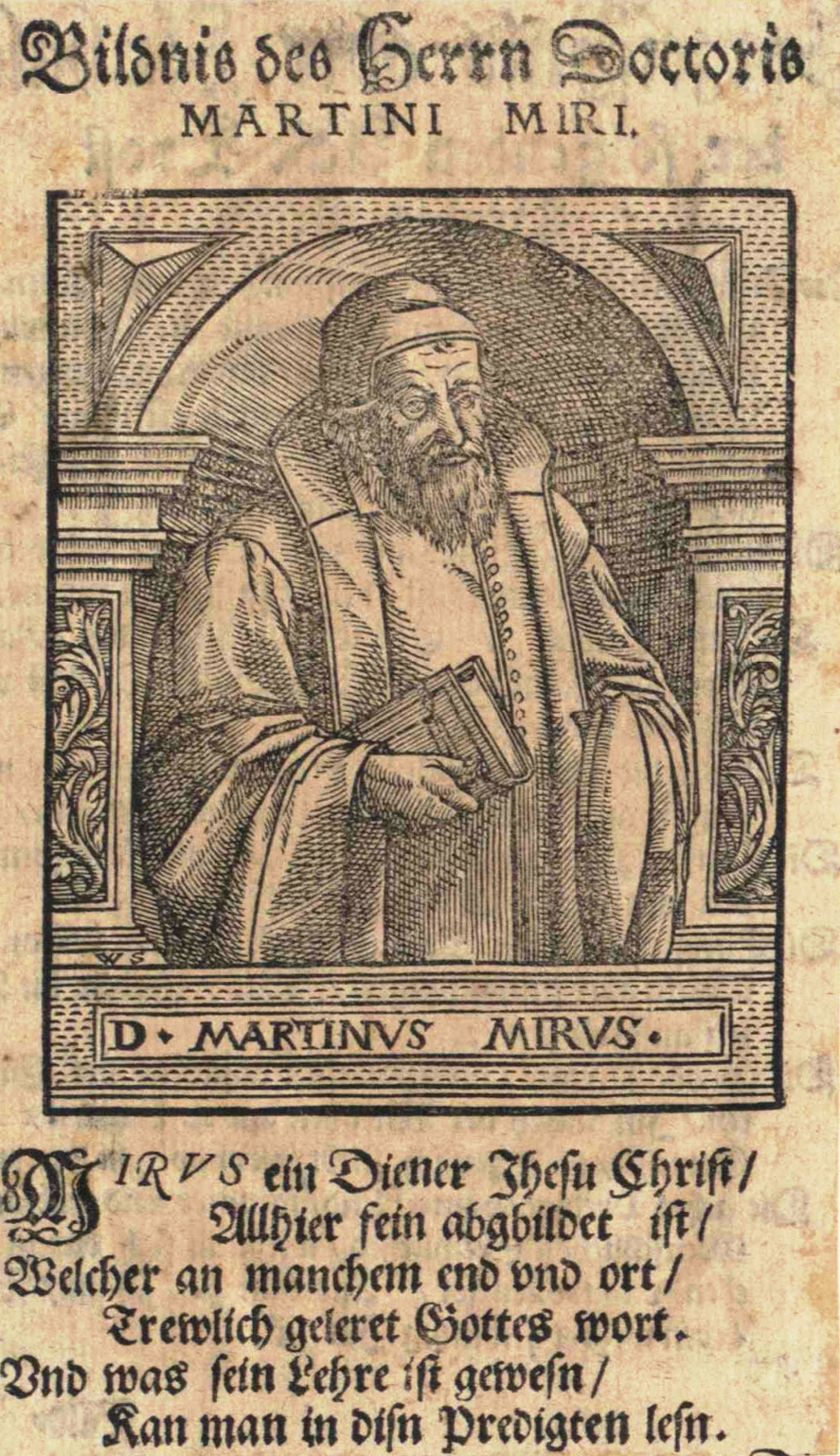
The first state prisoner, Dr. Martin Mirus, is brought to the Königstein in this year. Until 1922, Königstein is Saxony's most important state prison. The prisoner list includes more than 1,000 names.
1589

The Elector Christian I orders the expansion of the castle to a state fortress. The Gate house, the Strike defences, the Old barracks, Christians (later: Fredericks) Castle and the Old armoury are built by 1594.
In the following centuries, the defences were repeatedly rebuilt and extended so that no enemy would dare to attack the fortress. Due to its military impregnability, the Saxon sovereigns sought refuge here in troubled times and kept art treasures and the state treasure here.
The fortress in the 17th century
1610
Execution of the fortress commander Wolf Friedrich Beon for embezzlement of fortress goods and cutting down the fortress forest
1619

Because of its scenic location, Königstein is also a popular destination for court excursions and a venue for numerous festivities. For example, the festive inauguration of the renovated Georges castle takes place in the presence of Elector Johann Georg I of Saxony. He initiated the construction of further representative buildings on Königstein, including Magdalene's Castle and John's Hall.
1639
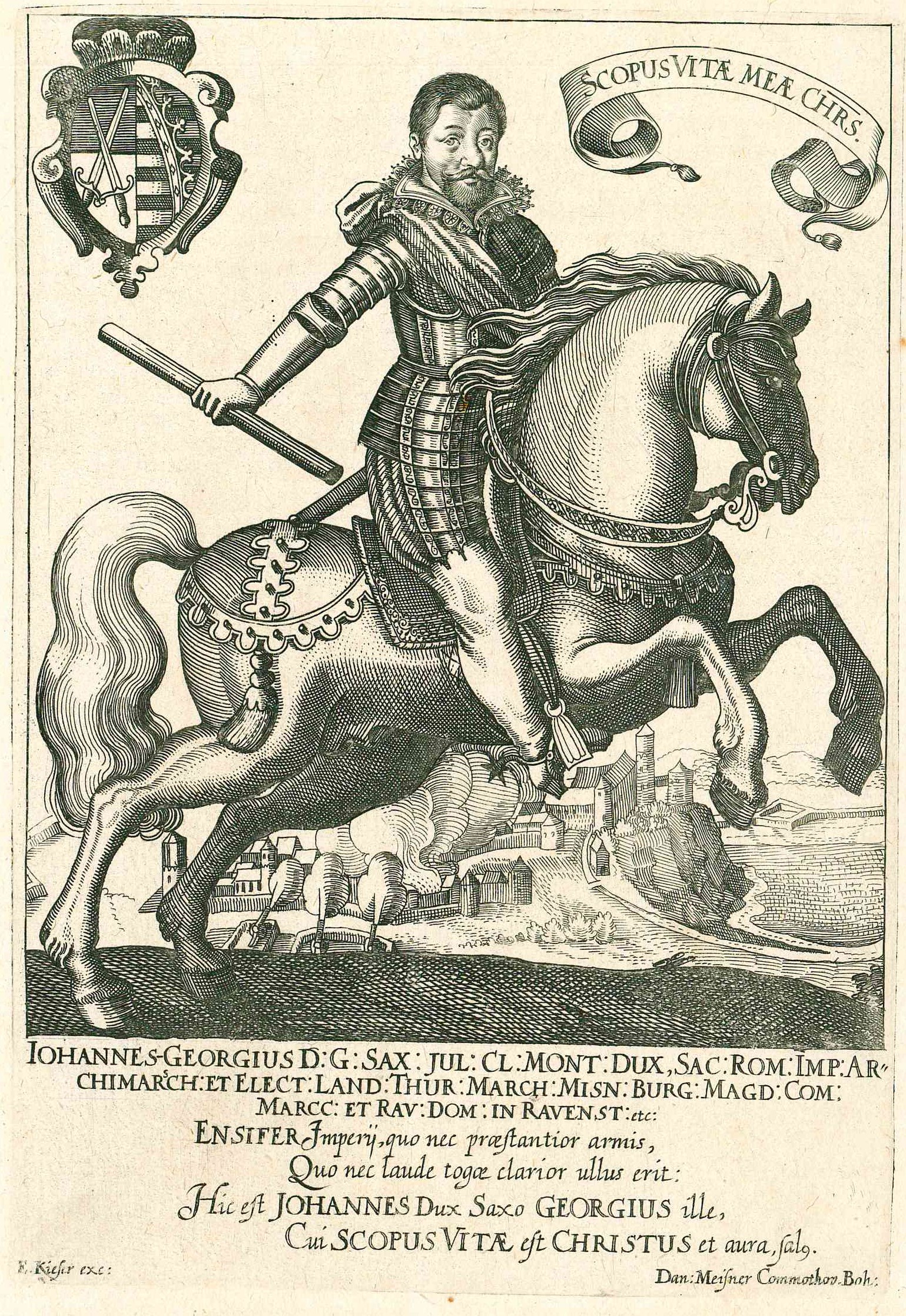
The Swedes invade Saxony. They pass Königstein and set fire to the town of Königstein.
Annual military-historical spectacle with fictitious conquest:
"The Swedes conquer Königstein Fortress"
1676
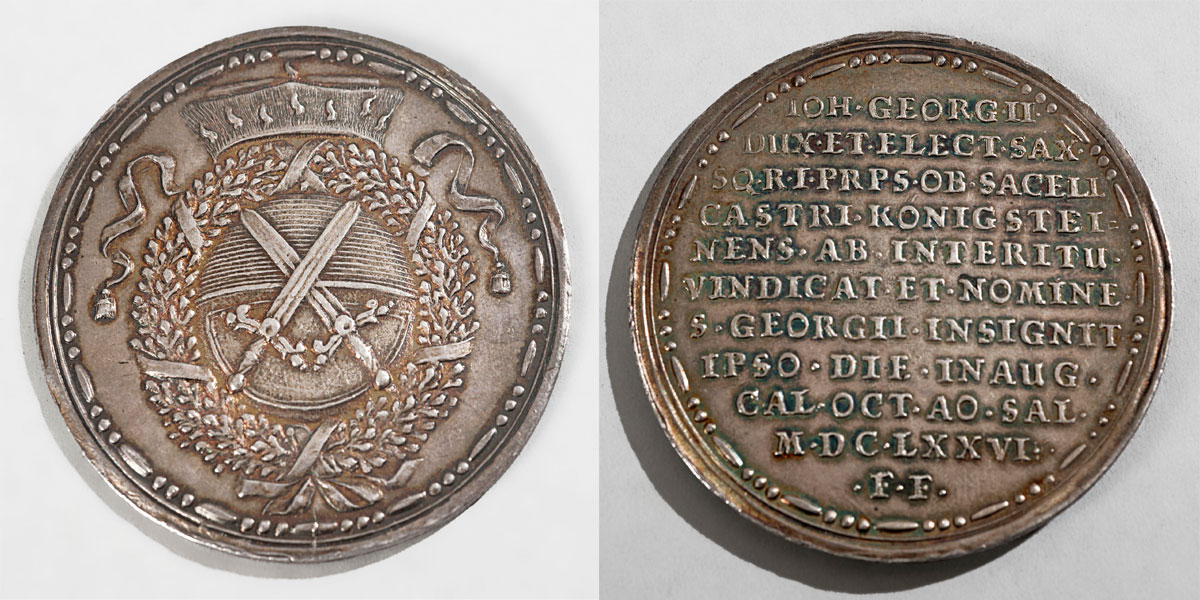
After renovation work, the Garrison Church on Königstein is consecrated in the presence of Elector Johann Georg II of Saxony.
The era of August the Strong
1698
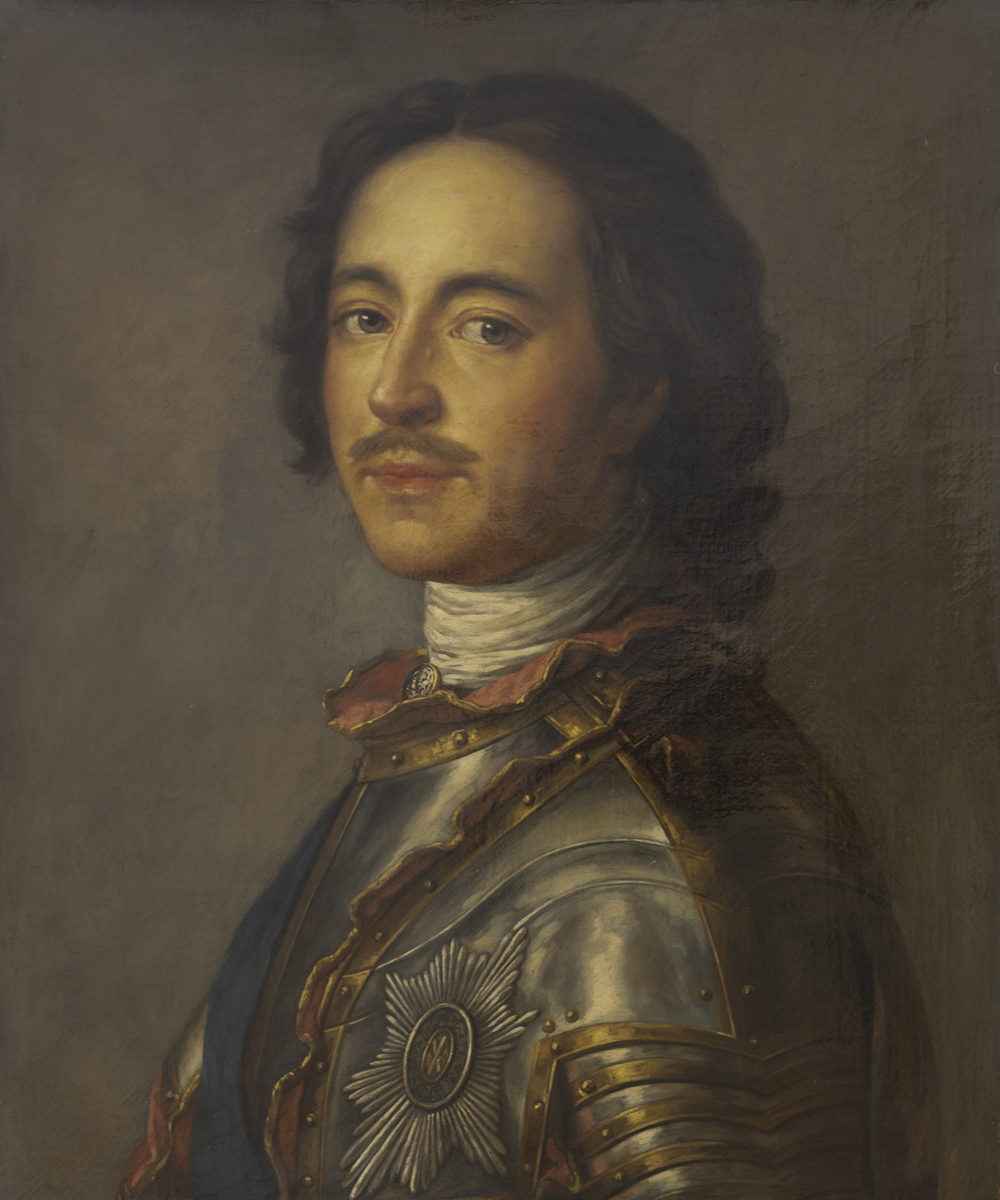
First visit of the Russian Tsar.
In 1712 he visited the fortress for the second time. The Saxon rulers often traveled to Königstein Fortress with distinguished guests for entertainment.
1706
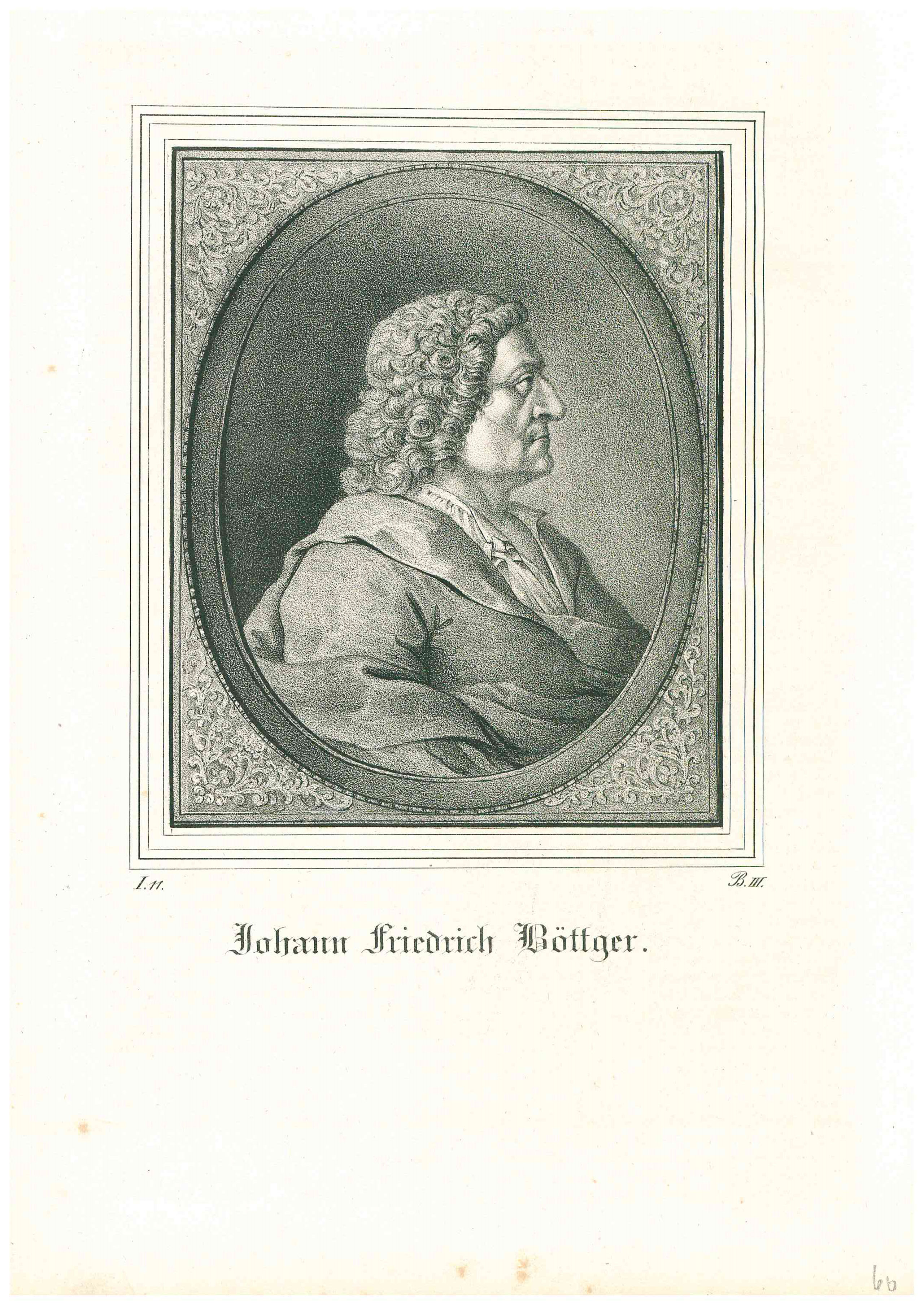
The later co-inventor of European porcelain, Johann Friedrich Böttger, is imprisoned for the second time on the Königstein by order of Augustus the Strong. He had already been imprisoned here for 3 months in 1702.
1725
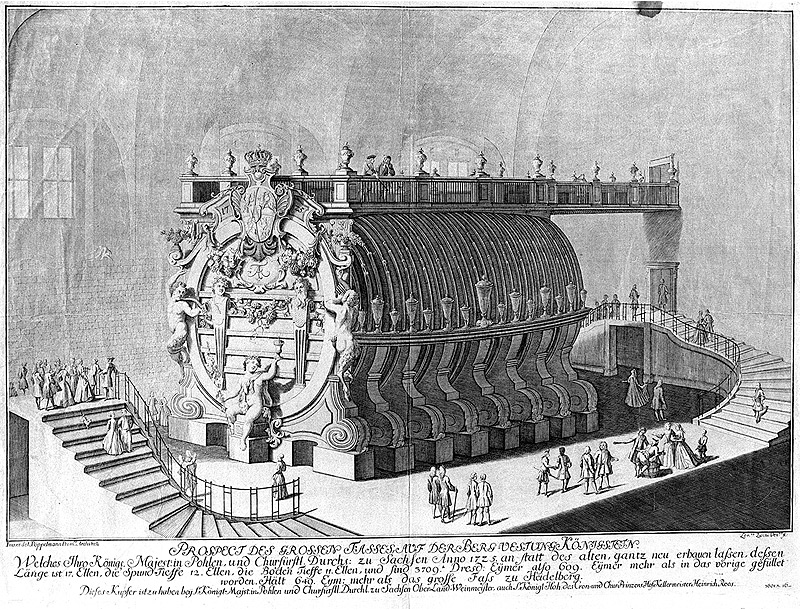
At the request of Augustus the Strong, the largest Königstein wine barrel (238,600 litres), which stood in the cellar of the Magdalenenburg until 1819, is completed. At that time, and to this day, it was the largest wine barrel in Europe that was actually filled to the brim. After its demolition, such a capacity was never again achieved in a barrel.
Today in the Giant Cask Cellar:
A modern replica of the barrel - a multi-media artistic installation
1737

Preliminary completion of the fortress expansion under Elector Friedrich August II. Work began on militarily strengthening the foreland of the fortress. With the numerous newly built barracks, powder magazines and the now finally bomb-proof well house, Königstein reaches its greatest state of expansion.
1756
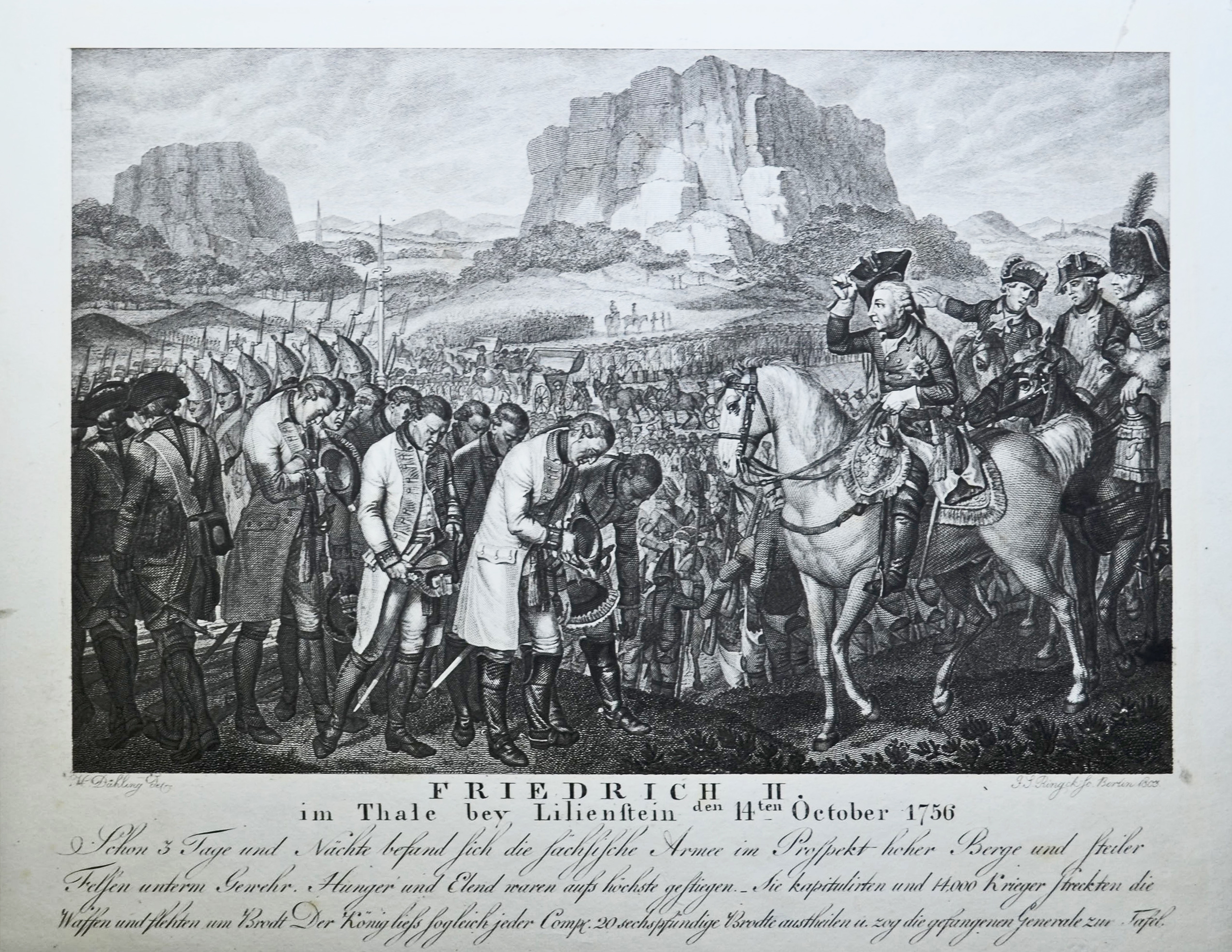
The Saxon army is captured on the Lilienstein plateau. The Elector and his court had taken refuge on Königstein and had to watch the defeat of his army. Afterwards, the fortress is declared neutral.
The Königstein in Napoleonic Times
1806
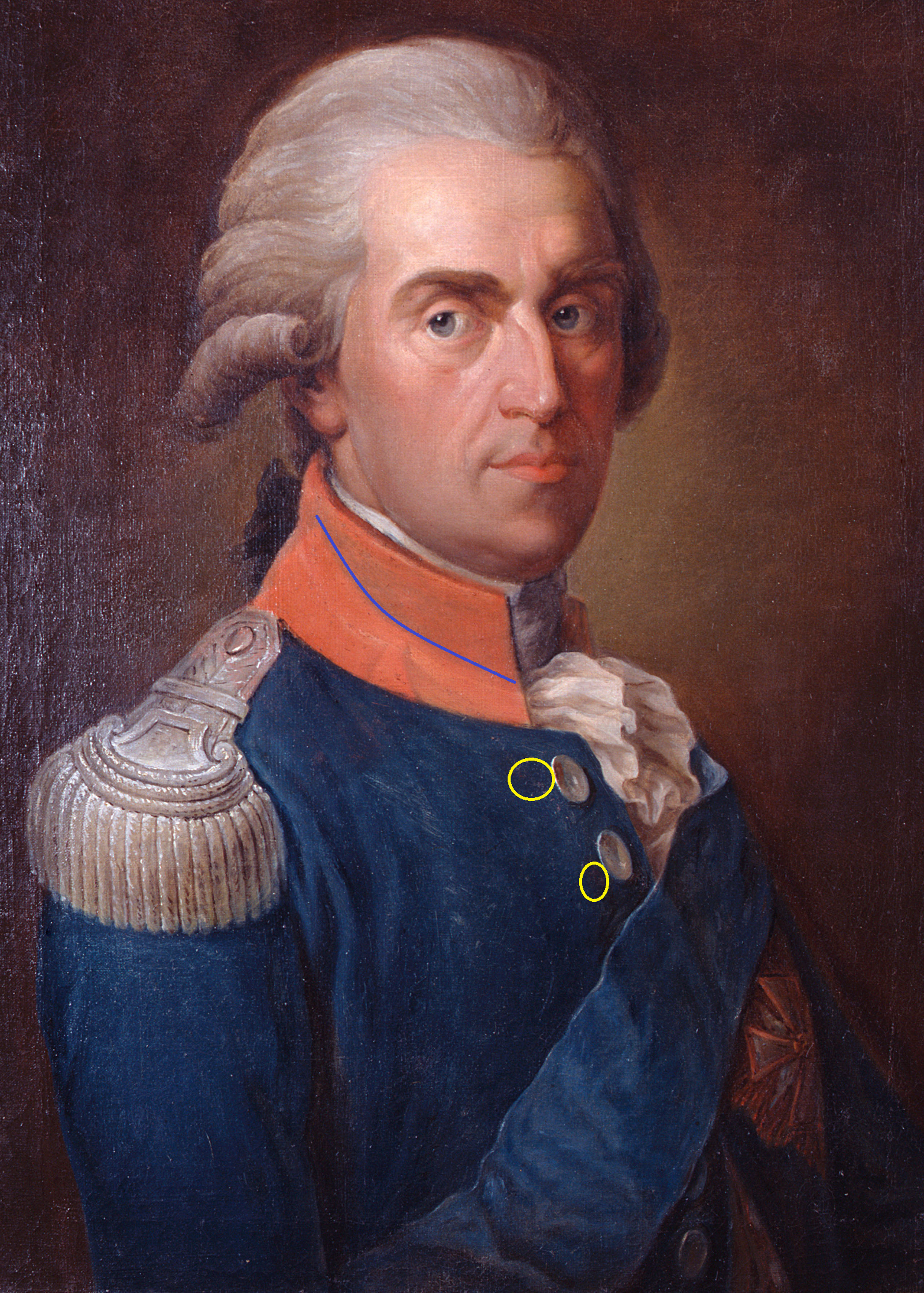
Saxony becomes a kingdom and joins the Confederation of the Rhine, a federation of German states founded under the domination of Napoleon. Königstein Fortress becomes a Fortress of the Confederation of the Rhine.
1813
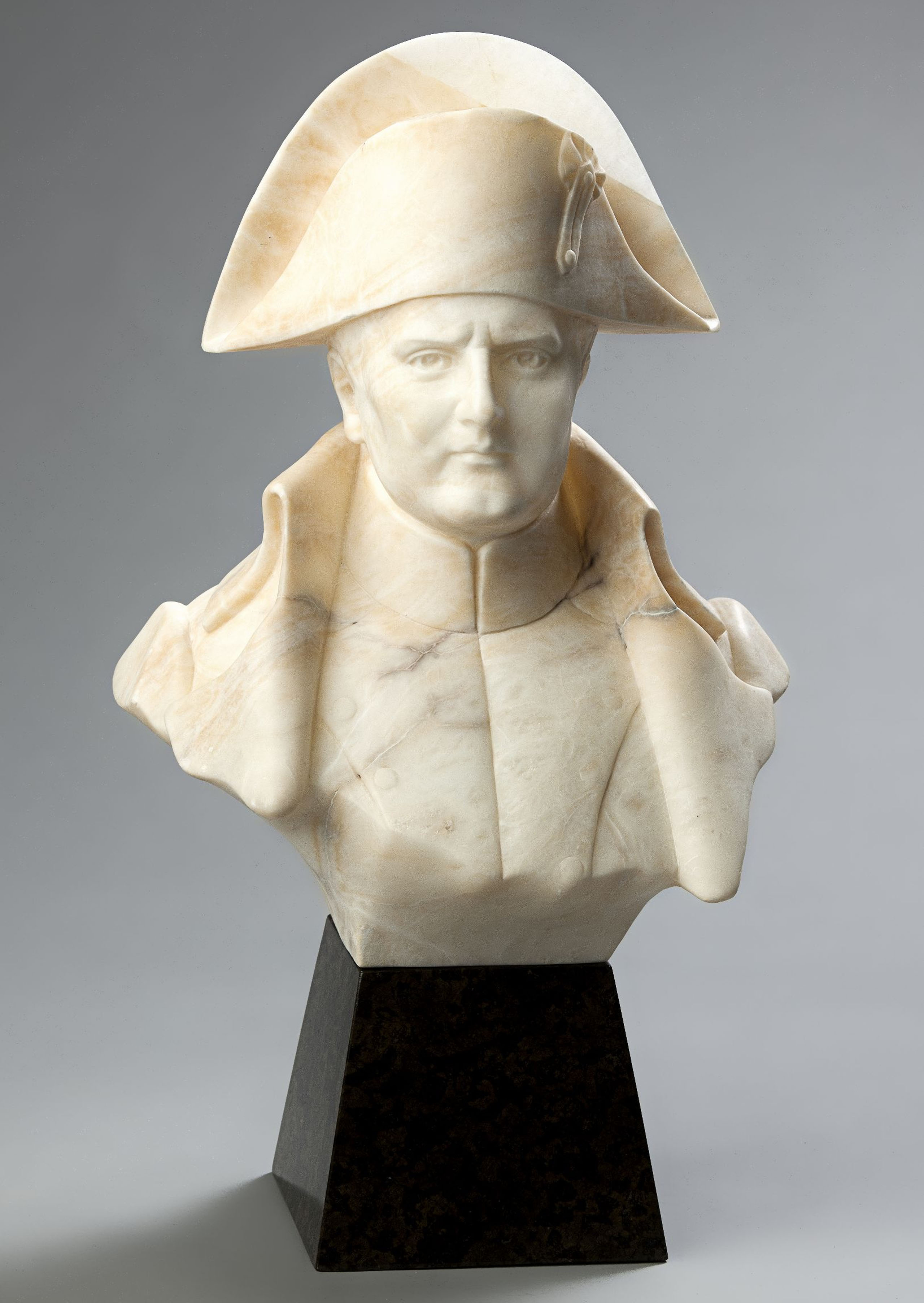
Napoleon inspects the Königstein and the fortress becomes an important part of his further strategic planning.
1815
The Königstein is now the only fortress remaining in Saxon possession and is therefore strengthened by the extension of some buildings.
Troubled times in the 19th century
1848
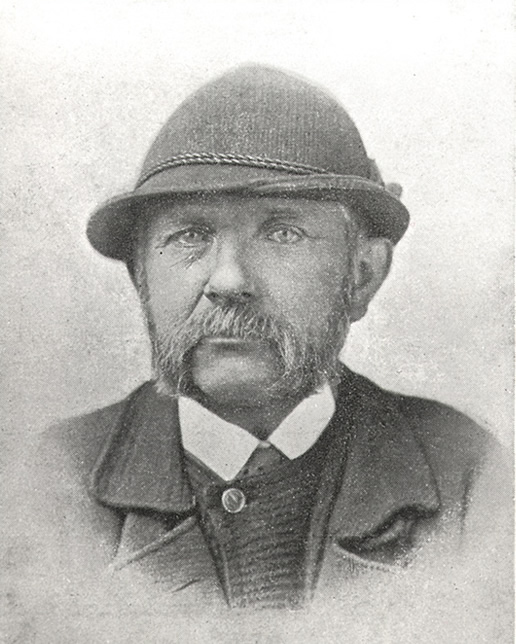
The journeyman chimney sweep Sebastian Abratzky climbs the Königstein barefoot through a crevice. The only "conquest" of the fortress up to then ended for him with several days of arrest.
1849
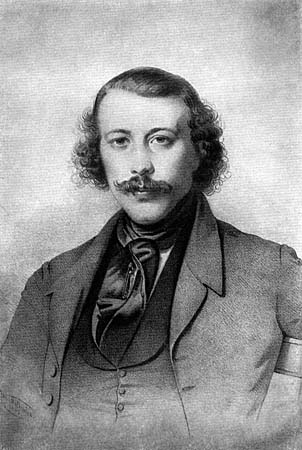
During the May Uprising in Dresden, the Königstein once again serves as a refuge for the Saxon royal family. After the suppression of the uprising, the arrested revolutionaries are sent to the local state prison.
1866
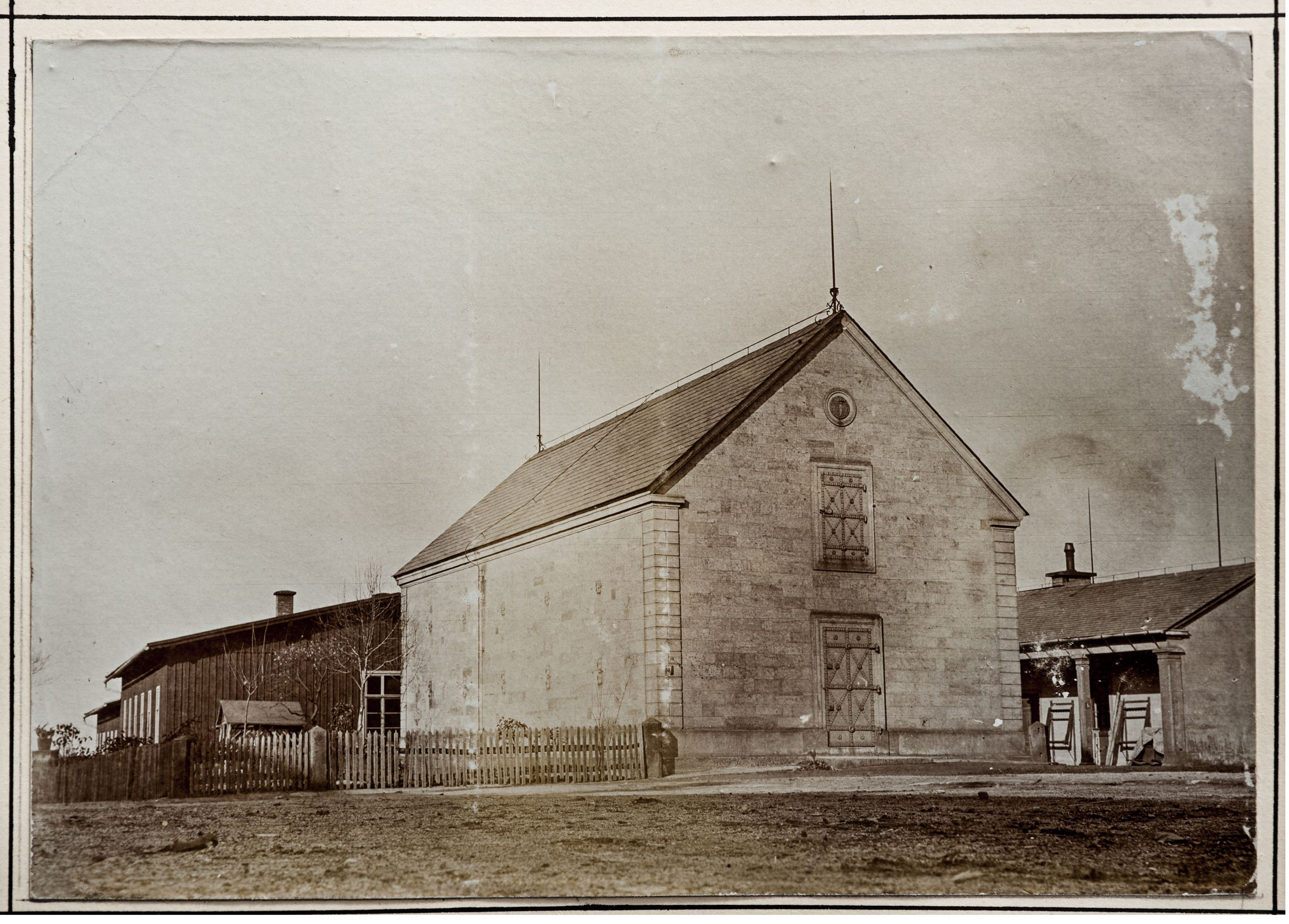
For the last time in its history, a cannon is fired from the Königstein at an enemy Prussian patrol.
After the war, the Königstein is given a foreign garrison for the first and only time, a Prussian commander and a Prussian infantry crew.
.
The fortress at the end of the 19th century
1870/1871
A camp for French prisoners of war is set up on Königstein for the first time in its history. The ordinary soldiers have to bring the earth to the fortress for the construction of the new battery ramparts.
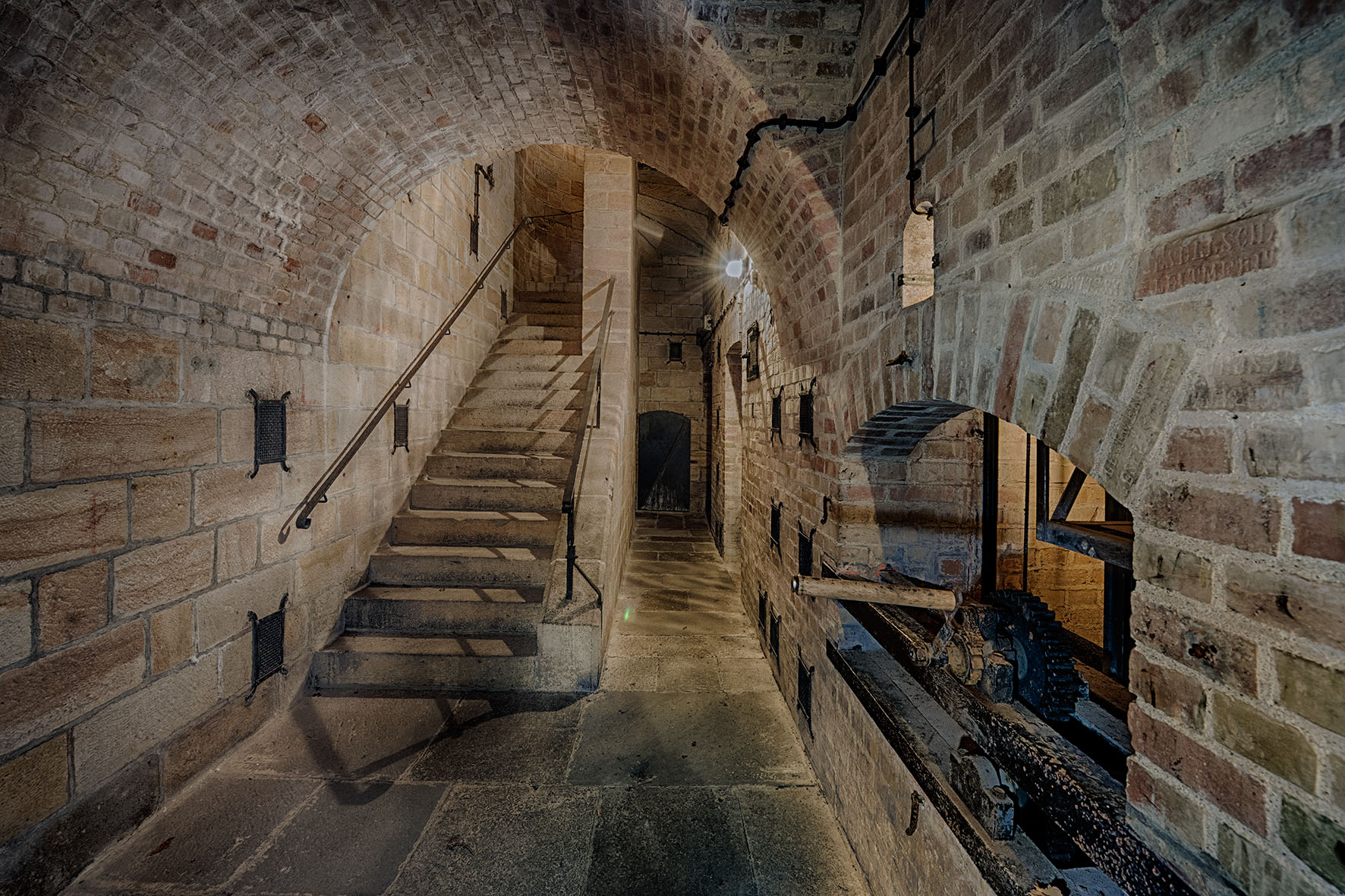
Königstein is the only Saxon fortress to be incorporated into the new imperial fortress system and is therefore intensively expanded for the last time in its history, this time primarily underground, into a blocking fort.
1874
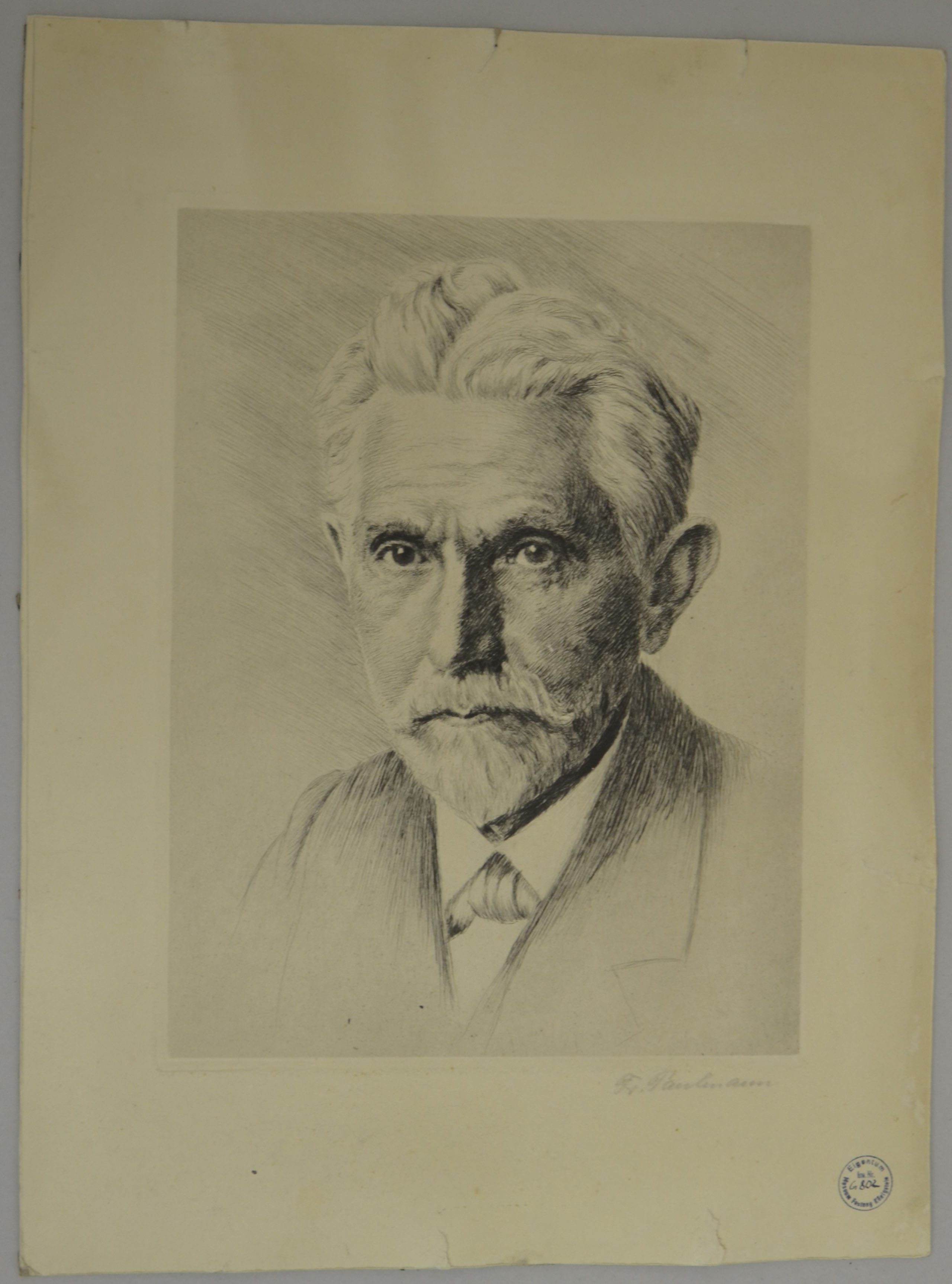
The famous German social democrat August Bebel is taken to Königstein for 3 weeks as a state prisoner.
1913
The German Reichstag strucks the commander's position from the military budget and thereby abolishes the fortress status of Königstein.
From the two world wars
to the foundation of the museum
1914
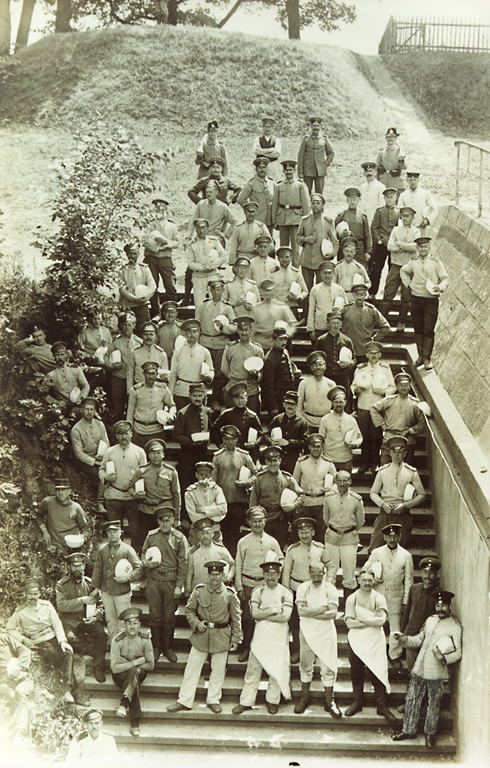
Königstein becomes a prisoner of war camp for the second time, this time for Russian and French officers and generals.
1921
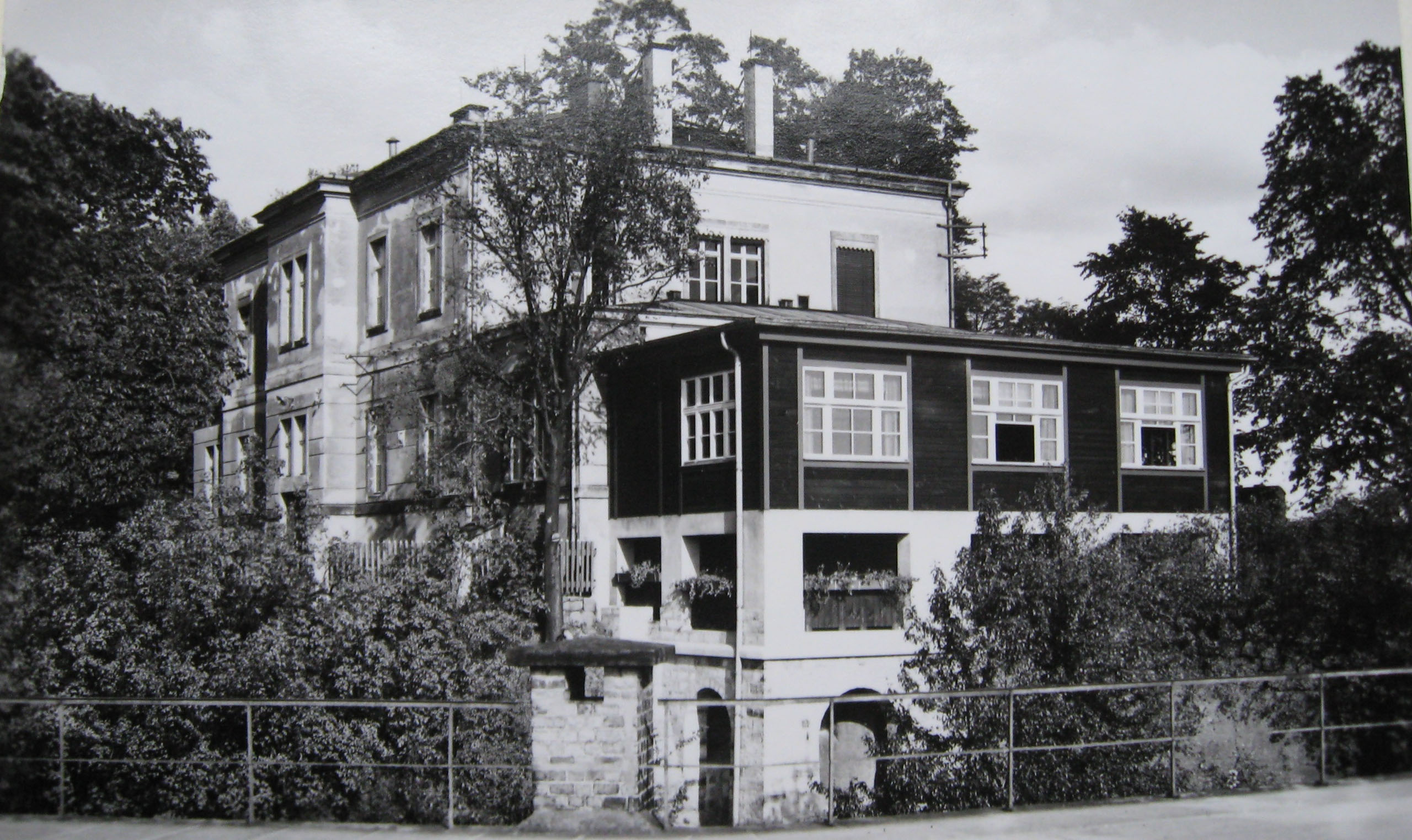
A Reichswehr spa hospital is set up in the Peacetime hospital.
1922
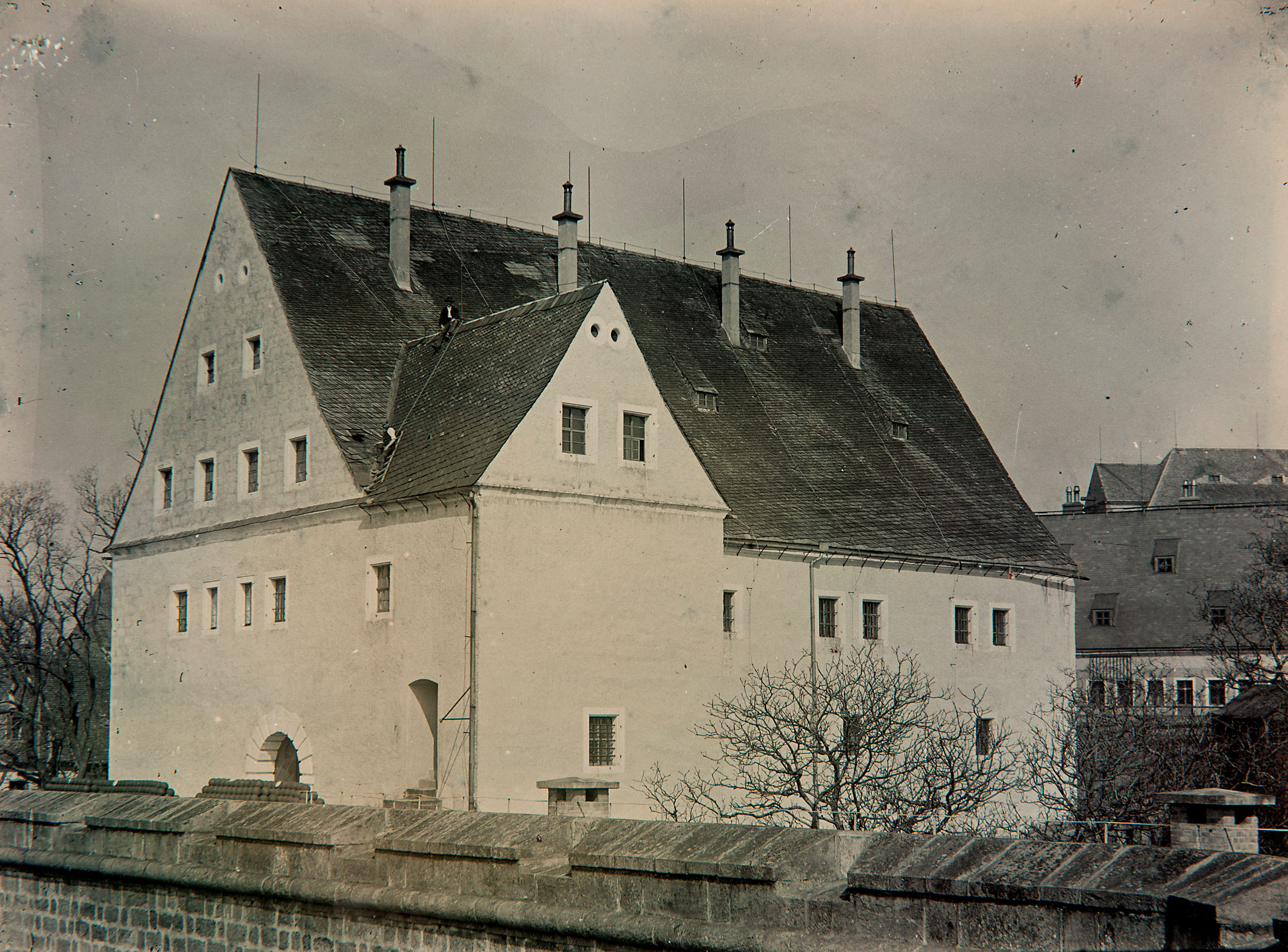
The last state prisoner will be released on June 3rd. He was imprisoned for 10 days for "dueling with deadly weapons.”
1939

The fortress becomes a prisoner of war camp for the third time, first for Polish, later for French officers and generals.
1942

Henri Giraud was the only French general to manage to escape from the officers' prison camp to neutral Switzerland during the Second World War.
1945
The crew hands over command to the French prisoners of war. The prison camp is later evacuated by an American special unit and the fortress is occupied by the Red Army, which sets up a hospital on the Königstein.
1949
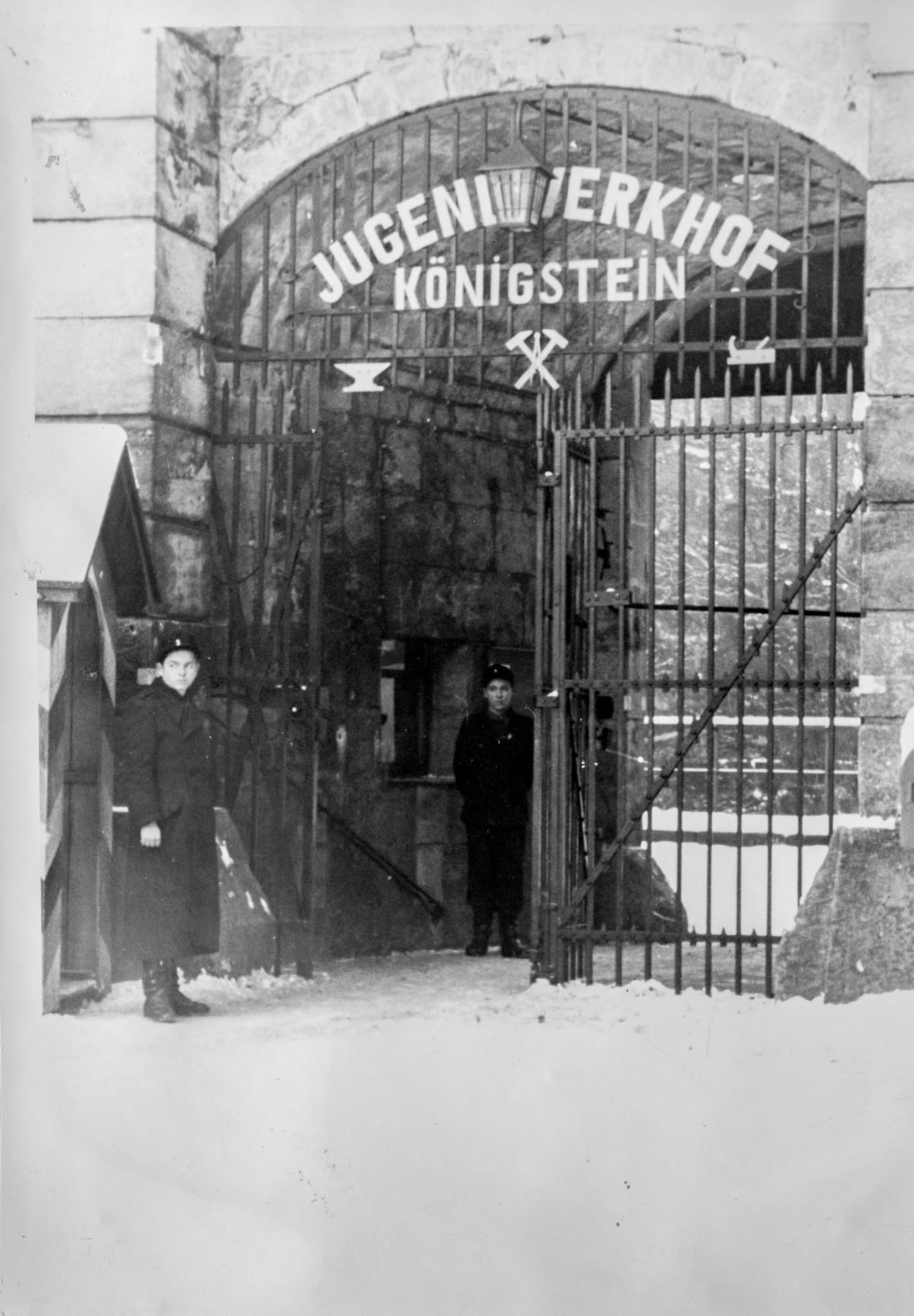
Königstein Fortress accommodated a juvenile detention centre. Young people who were politically suspect or had, in the post-war confusion, committed criminal acts, were educated and trained here into “communist personas”.
1955

With the founding of the Königstein Fortress Museum, the 9.5-hectare complex is opend to the public as a military and historical open air museum.
1957

For the first time, exhibitions are being simultaneously presented in five buildings on the fortress.
1965
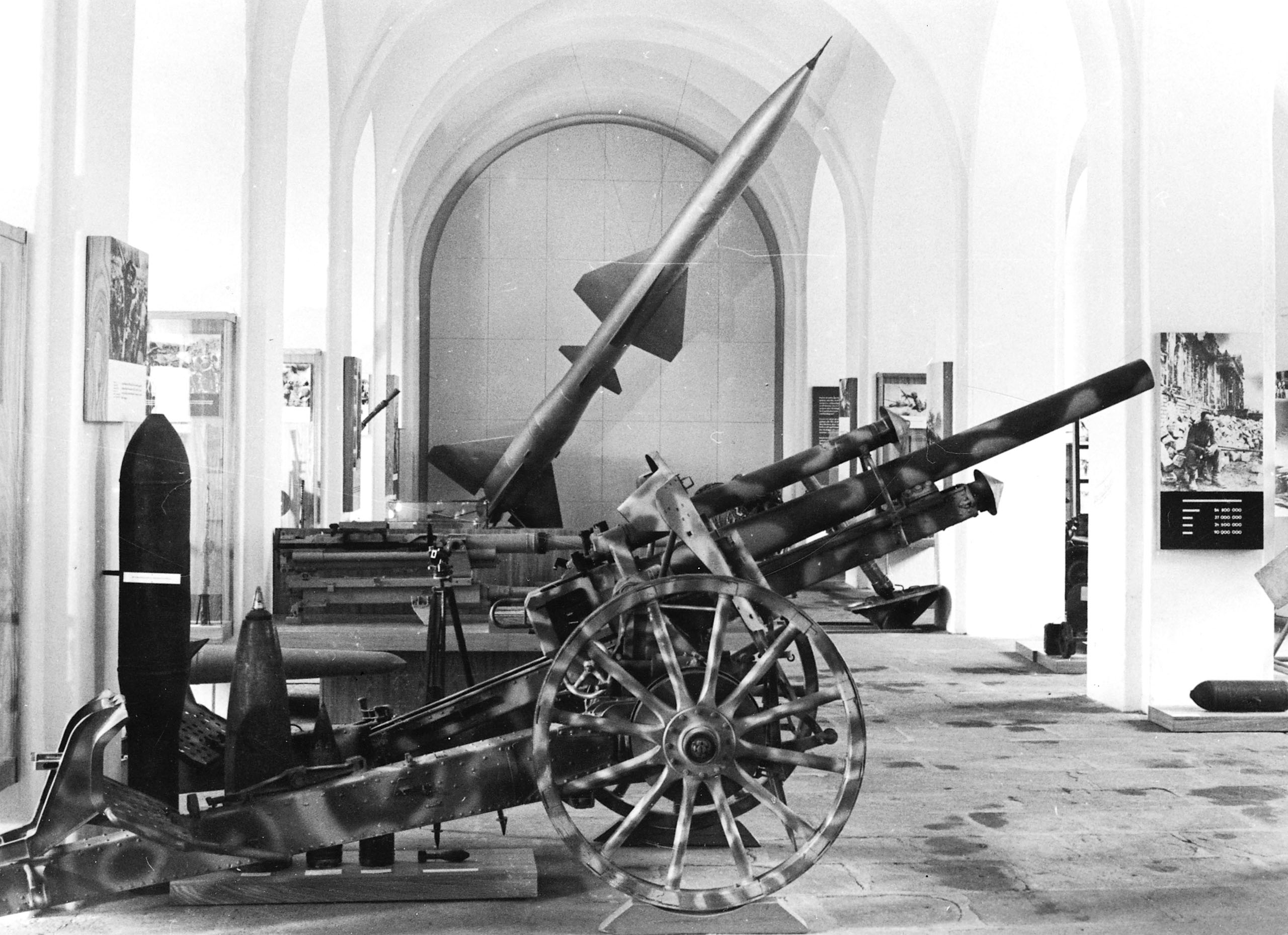
The German Army Museum Potsdam opens its first guest exhibition in the New Armoury.
The fortress after the German reunification
1991
Königstein Fortress becomes the property of the Free State of Saxony and is managed by the State Castle Administration. A comprehensive utilization concept is developed.
1992
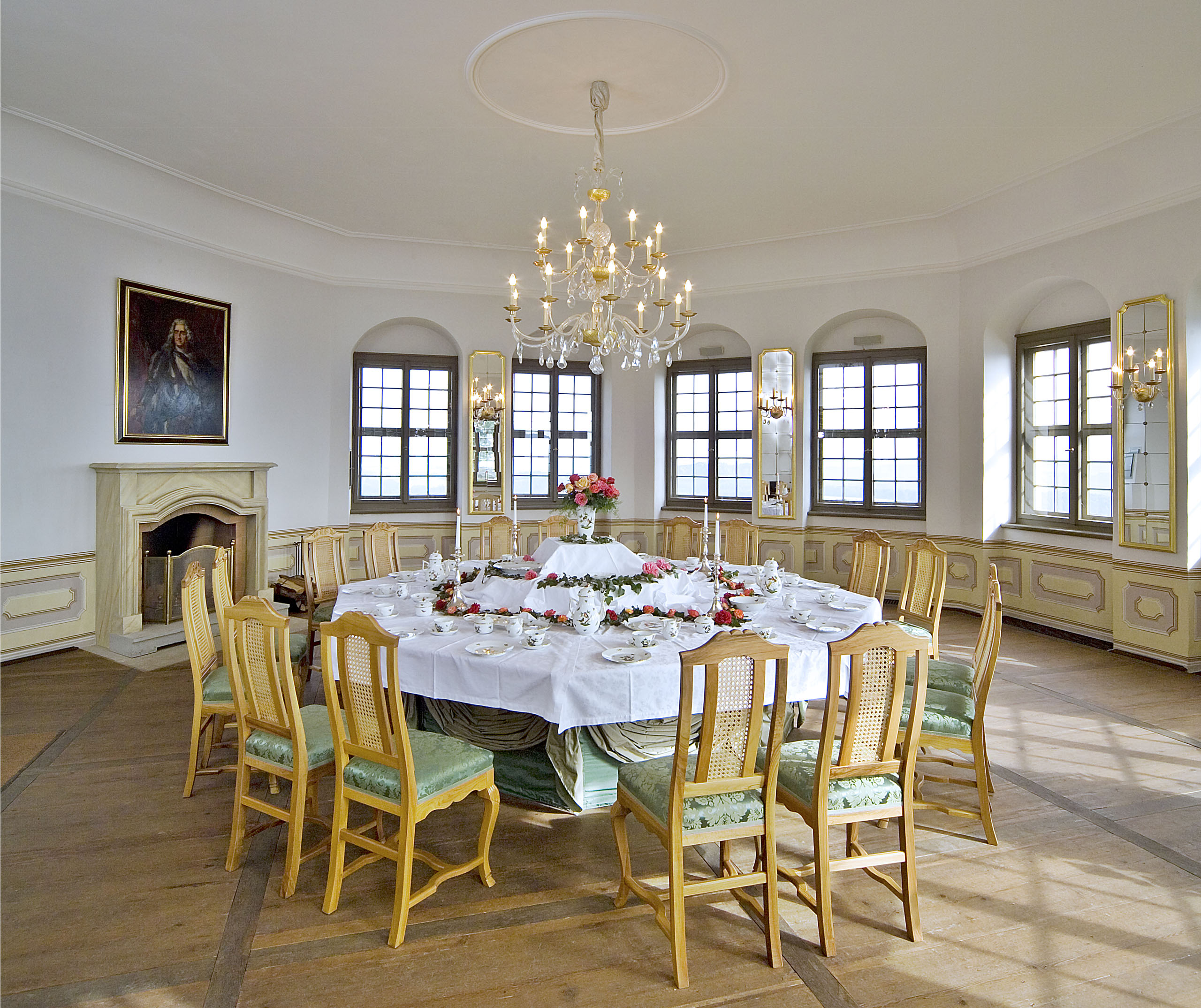
Based on the usage concept, extensive construction work begins to irrigate and drain the fortress. This is followed by the complete renovation of numerous buildings, such as the Barracks and Fredericks's Castle.
1997
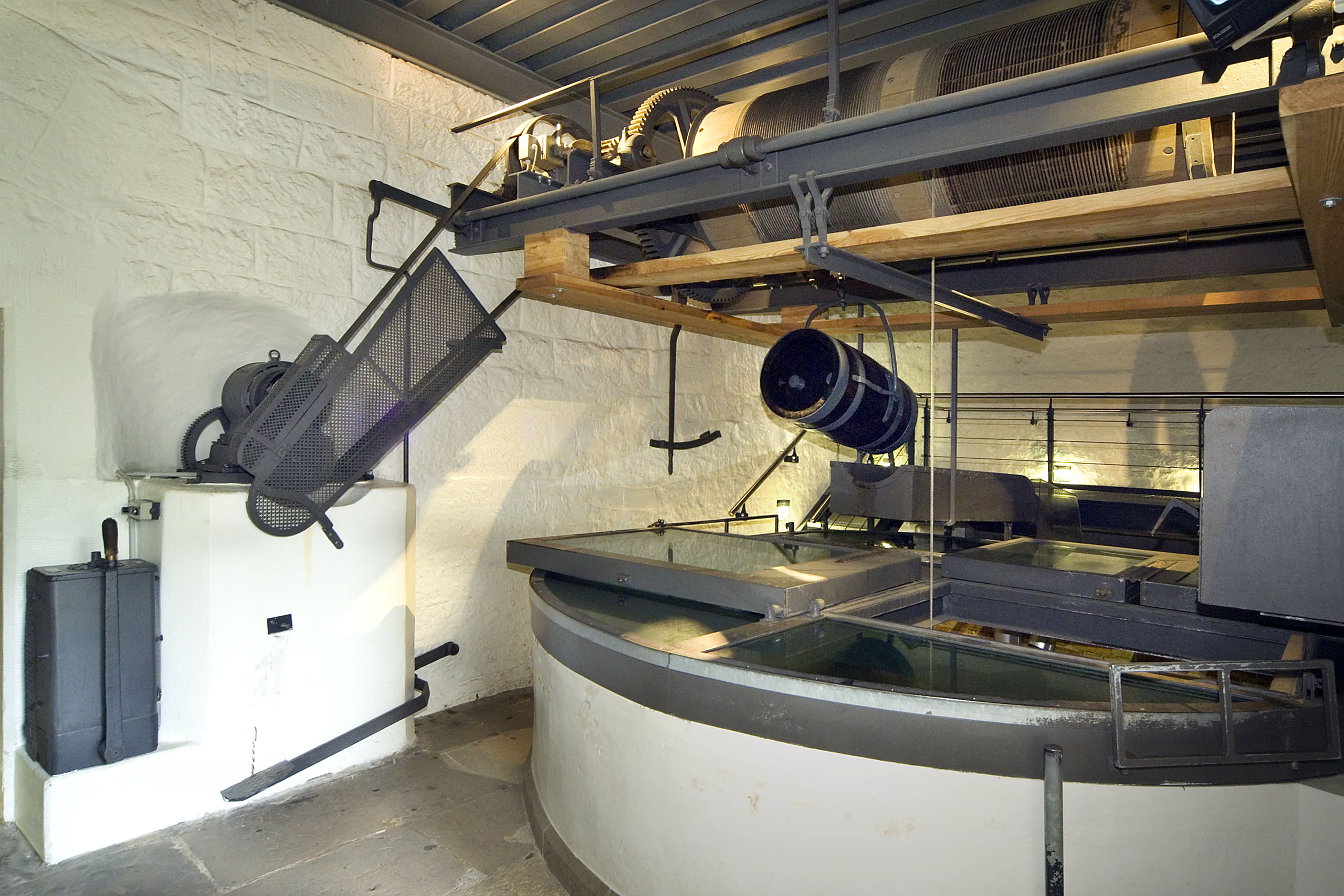
In the course of the well renovation, 160,000 litres of water are pumped out and, for the first time since 1569, people are standing on the 152.5 metre deep well bottom.
2000
The fortress is separated from the association of state-owned castles and becomes an independent operating company of the Free State of Saxony.
2003

The operating company (GmbH) is converted into a non-profit company (gGmbH).
2005
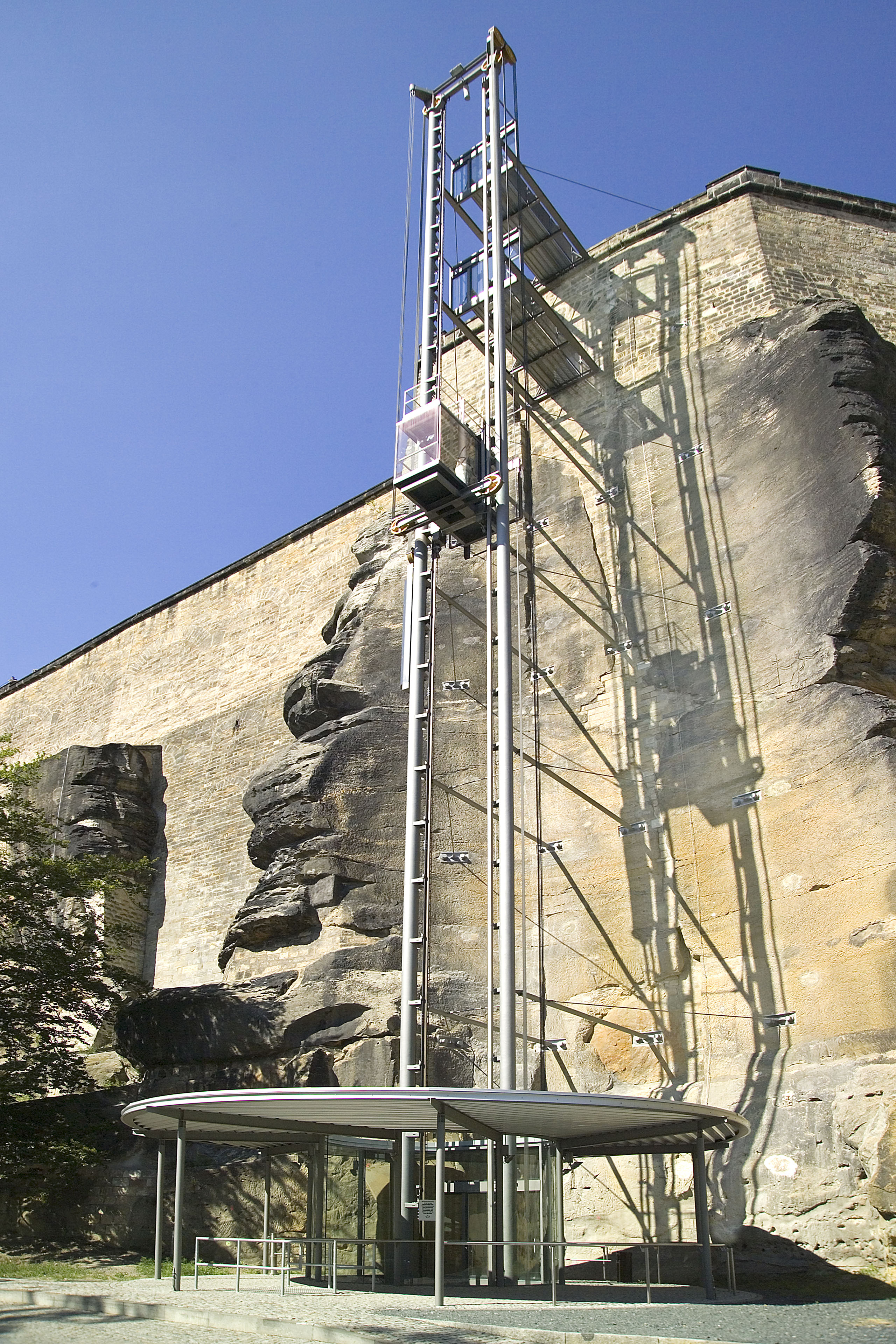
During the continuation of the renovation work, among other things, the panorama lift was built and the event restaurant "In the casemates" was set up.
2015

Opening of the first permanent exhibition on the history of Königstein "In Lapide Regis" in the previously completely renovated rooms of the Gate House and the Strike defence.
Exhibition In lapide regis - On the King's Stone
2019
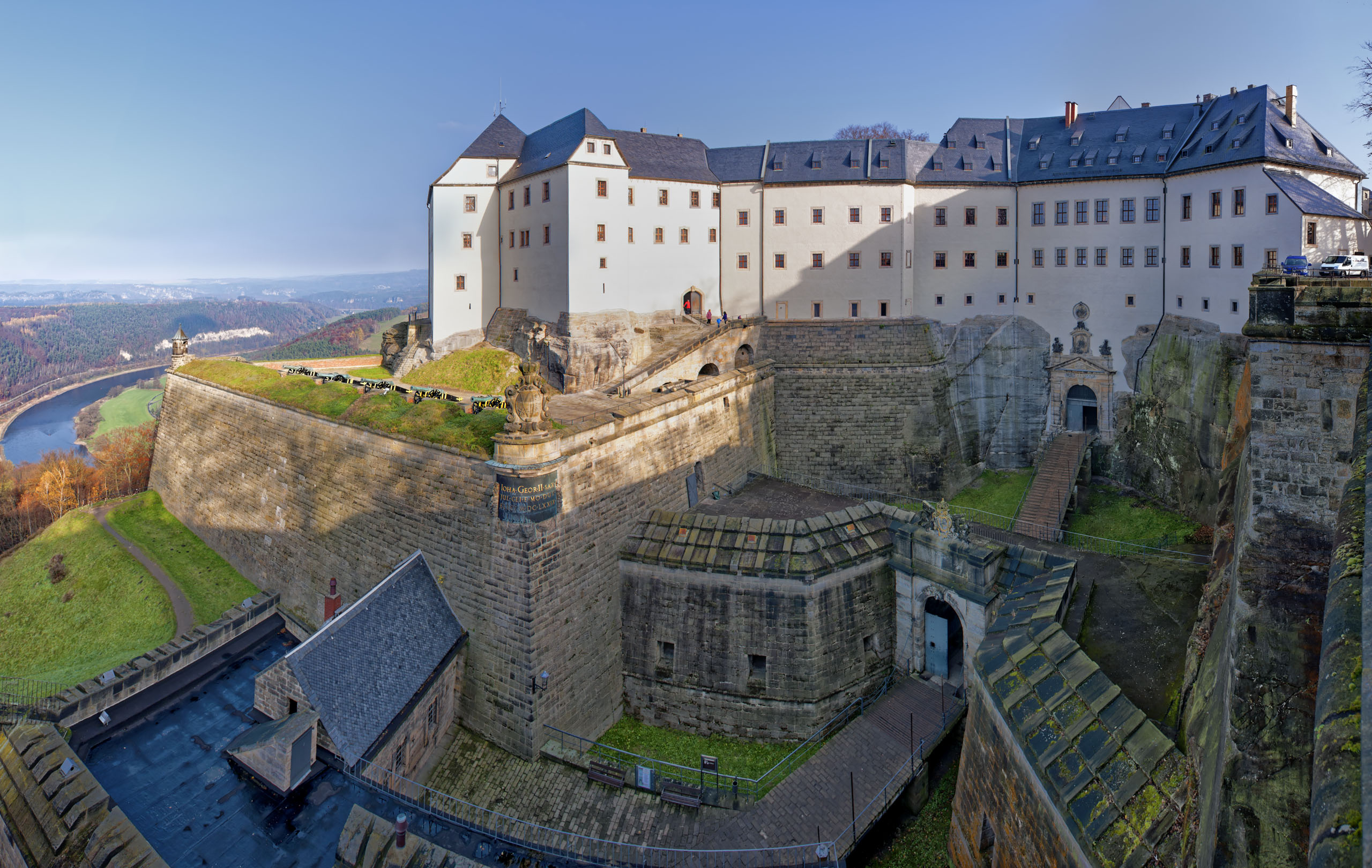
The completion of Georges Castle and its exhibition and administration rooms marks the end of the largest construction project, the renovation of the so-called West Building.